


- No. III Space Effects Squadron will disrupt, degrade, and deny hostile threats in space.
- Protecting critical satellites that guide British ships, connect mobile phones and warn of missile attacks.
- UK Space Strategy published in September 2026
UK Satellites to get Protection
Satellites vital to everyday life in the UK are set to be protected from hostile threats, as the RAF (Royal Air Force) launches the UK’s first ever dedicated space squadron.
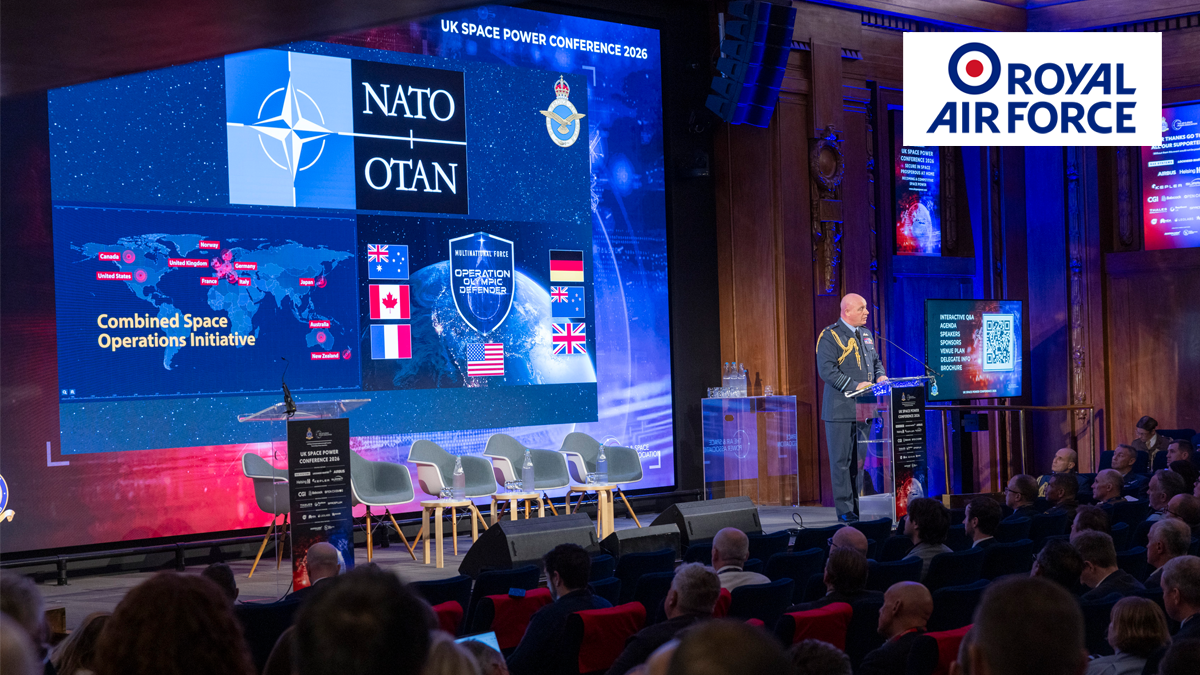
Announced today by the Chief of the Air Staff, Air Chief Marshal Sir Harv Smyth at the first-ever UK Space Power Conference, No. III Space Effects Squadron will bring together specialist personnel from across the Armed Forces to counter hostile activity in orbit and defend the satellites the nation depends on every day.
While sister units No. I Space Operations Squadron and No. II Space Warning Squadron give the RAF the ability to watch and warn of threats in space, the new No. III Squadron will act against those threats, using advanced technology, including Electronic Warfare, to disrupt, degrade and deny hostile actions. The squadron will support both offensive and defensive space operations and will expand over time as new capabilities enter service.
Satellites Critical to UK Connectivity
Satellites are a core part of national security and support daily life across the UK. They are critical to intelligence gathering and missile warning, but also power mobile phone data, weather forecasts and online ordering. Ambulances, firefighters and the police rely on satellite navigation systems for emergency responses, and energy networks use the same systems to organise power grids.
The UK has formally ruled out destructive anti-satellite missile testing and continues to work through the UN Committee on the Peaceful Uses of Outer Space to promote norms, rules and principles of responsible space behaviours.
The full news summary can be found here.
Announcement Received Positively
Daniel Turgel, Co-head of global law firm White & Case’s Global Technology Industry Group, commented:
“We are living in an era of heightened geopolitical tension, where the nature of security threats is rapidly evolving. Space has become the latest frontier, with satellites playing a crucial role in communications and national infrastructure. Indeed, the Blackett Review estimated that a failure of navigation satellite services could cost the UK economy around £1 billion a day. The strategic importance of space is only set to grow, particularly as it emerges as a potential new frontier for AI infrastructure.”
Turgel continues:
“Against this backdrop, developing world-class sovereign defence technology capabilities has become critical and defence technology is one of the hottest sectors right now. With the UK government planning to spend £7.8 billion on its space strategy through to 2029-2030, alongside a broader global increase in defence expenditure, we expect private capital flowing to continue flowing into the sector at unprecedented levels, driving further investment and dealmaking activity.”
Related Post: Virgin Media O2: First UK Mobile Network to switch on Direct-to-Device Satellite Connectivity